Home / About Disorder / Personality Disorders

Personality Disorders

Leading Personality Disorder treatment in Chennai - Athma Mind Care Hospital

Athma Mind Care Hospital provides expert personality disorder treatment in Chennai, helping individuals who struggle with unstable emotions, unpredictable behaviour, and long-standing relationship difficulties.
As a trusted centre for multiple personality disorder treatment, we support individuals with complex symptoms using structured therapy and clinical supervision.
Our senior team includes trained personality disorder treatment doctors who work with children, teens, and adults through detailed evaluation and personalized care.
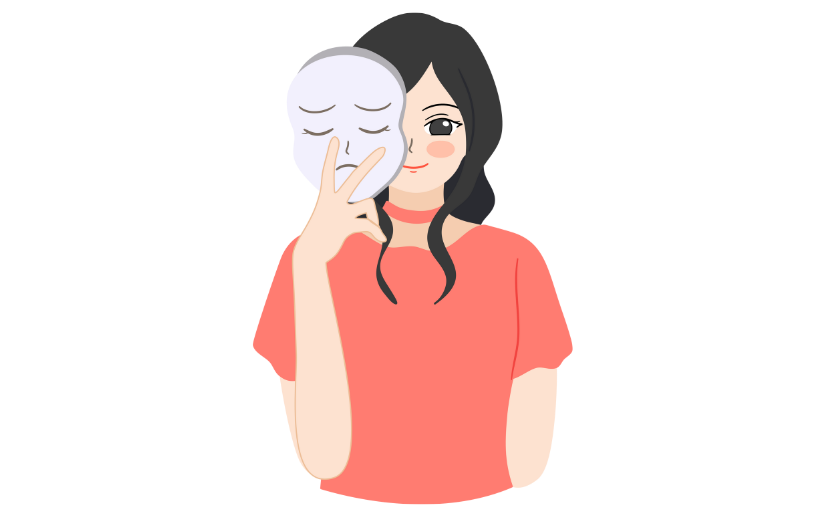
 

Understanding Personality Disorders

Personality disorders involve long-term patterns of thinking and behaviour that create distress in daily life.
People face difficulty managing relationships, emotions, reactions, and self-image.
Common patterns include:
• Intense mood swings
• Fear of abandonment
• Trust issues
• Impulsive decisions
• Unstable self-identity
• Difficulty handling stress
• Trouble maintaining relationships
At Athma, specialists assess emotional patterns and behaviour history to design stable, long-term treatment plans.

When to Seek Help for Personality-Related Symptoms

You should reach out for professional support when you notice:
• Frequent emotional instability
• Regular conflicts in family or social life
• Strong fear of rejection
• Unpredictable reactions
• Difficulty controlling anger
• Persistent negative thoughts
• Feeling disconnected from self
• Long-term distress affecting daily activities
Athma offers assessments to identify personality-related symptoms and guide the right level of treatment.

Personality Disorder Treatment Process

The treatment process at Athma Mind Care Hospital includes:
Clinical Evaluation
Detailed understanding of symptoms, emotional triggers, and personal history.
Personalised Treatment Planning
Plans built around emotional stability, behaviour restructuring, and relationship improvement.
Therapy and Counselling
Sessions focused on emotional regulation, conflict management, and thought correction.
Medication Support
Where required, medication helps reduce mood fluctuations and improve stability.
Rehabilitation and Follow-up
Regular reviews to monitor changes and strengthen long-term recovery.
Lifestyle Integration
Guidance on sleep, exercise, routine building, and stress reduction to support stability.

Psychotherapy and Counselling

Therapy is a core part of recovery for personality disorders.
Programmes include:
• Cognitive restructuring
• Emotional regulation training
• Anger and stress control
• Interpersonal effectiveness
• Communication improvement
• Family sessions for relationship support
These help individuals gain clarity, control, and confidence.

Medication and Medical Supervision for Personality Disorders

Some individuals require medication to stabilize mood, reduce anxiety, or manage emotional extremes.
Our consultants review progress regularly and adjust treatment as needed.
Structured supervision ensures safety and effective long-term improvement. 

Why Athma Mind Care Hospital Is the Best for Personality Disorder Treatment

  • Recognized centre for personality disorder treatment in Chennai.
  • Dedicated care for multiple personality disorder treatment.
  • Experienced personality disorder treatment doctors.
  • Evidence-based therapy programmes
  • Individual and family-focused care
  • Confidential treatment environment
  • Reliable long-term follow-up
  • Team-based care with psychiatrists, psychologists, and counsellors
  • Strong focus on emotional and relationship stability
     

Our Commitment to Mental Health and Recovery

Athma Mind Care Hospital supports complete emotional and behavioural recovery through compassionate and structured care.
We guide individuals through every stage, from assessment to long-term treatment, with a focus on stability, confidence, and healthier living.

Book an Appointment | Athma Hospitals

Rebuild emotional stability with expert support.

Contact Athma Mind Care Hospital for personalised personality disorder treatment and guided recovery.

Expert Q&A: Personality disorders

People with personality disorders often have a hard time taking responsibility for their feelings and behaviors. They sometimes even blame others for their problems. However, each of them is suffering and is aware that their life is not going well. Approaching a friend about her painful feelings or the frustrations and disappointments in her life, and offering to listen, might be a way to help her consider treatment. If you have had a successful experience in therapy, share that with your friend, even if it wasn’t necessarily for “personality problems” (an off-putting term for many people). Most people with personality disorders enter treatment with another problem, such as depression, anxiety, substance abuse, a job loss, a romantic break-up, etc. The challenge is to get your friend “in the door,” so to speak, not to commit to long-term treatment at the beginning.

People with borderline personality disorder have significant problems in relationships. On the one hand, they can be very needy and clingy in relationships. On the other hand, they push people away because they are insecure themselves and distrust others. They would rather be the one who leaves than the one who is abandoned. To be able to tolerate the borderline person’s anger and aggression, family members must appreciate that the person is reacting out of a sense of weakness and suffering. That is not to say that family members should accept anger and abuse directed at them – limits must be set. Family members must be able to walk away, if necessary, from a situation for their own good, and without guilt. To help a person with borderline personality disorder people need to respect themselves enough to protect themselves. If you let yourself be abused, you will react with anger, push your brother away and confirm his suspicion that you do not love him (enough).

Dialectical behavior therapy (DBT) is one type of psychotherapy that is effective in treating people with borderline personality disorder. Other effective psychotherapies include transference-focused psychotherapy (TFP), mentalization-based therapy (MBT), cognitive-behavioral therapy (CBT) and various forms of supportive psychotherapy. DBT was developed to treat suicide-related behaviors (such as self-cutting and drug overdoses) that are common in people with borderline personality disorder. It seems to be particularly suited for these problems. DBT usually involves a weekly individual psychotherapy session and a weekly group session. These address increasing a person’s awareness of the situations and feelings that lead to self-destructive acts. DBT helps people learn ways to gain control over emotions, feel more competent and able to handle relationships, and understand ways of dealing with painful feelings that are not destructive. Therapy ordinarily lasts a year, at least. Therapists should be well-trained

Some theories of personality disorder view it as developmental delay, which a person may be able to grow out of. Studies show that a fair number of children and early adolescents report signs and symptoms consistent with a personality disorder. For many, these symptoms decrease over time. Children with more symptoms are at greater risk for being diagnosed with a personality disorder in early adulthood. So, on the one hand, it could be argued that time will address many personality problems. On the other hand, if a young person is at risk for a serious mental disorder that may have devastating effects, then early intervention and prevention should be recommended. Currently, this approach appears to be gaining steam. Clinics and therapists are increasingly recognizing and developing treatment interventions for personality disorder symptoms in children and adolescents.

Technically, according to DSM-5*, a person can receive more than one personality disorder diagnosis. People who are diagnosed with a personality disorder most often qualify for more than one diagnosis. A person with a severe personality disorder might meet the criteria for four, five or even more disorders! In practice, clinicians usually recognize that meeting more criteria for personality disorders means more severe disorder.

Disorders We treat

Book an Appointment

Ready to take the next step in your mental health journey? Scheduling an appointment with us is easy!

24/7 Emergency Counseling

If you are in crisis or need immediate support, our 24/7 emergency counseling service is here for you. Our trained professionals are available around the clock to provide assistance, guidance, and support during difficult times.

[ameliastepbooking]