
Our Services Therapy Based Treatment Outpatient Treatment Inpatient Treatment Rehab based Treatment Holistic Addiction Treatment Partial Hospitalisation Emergency Psychiatric Services
Personalised care to manage anxiety, panic disorders, and emotional well-being.
Worry is something everyone feels. But when it follows you everywhere, shows up without reason, and refuses to leave no matter what you do, that is something worth paying attention to.
At Athma Mind Care Hospital, one of the most trusted anxiety clinics in Chennai, we have been helping people work through anxiety disorders since 1993. Our anxiety doctors and therapists deliver personalised care, therapy for anxiety, and structured recovery programmes tailored to each person’s needs. With over 33 years of experience and 85,000+ patients supported, we are here to help you get back to living fully.
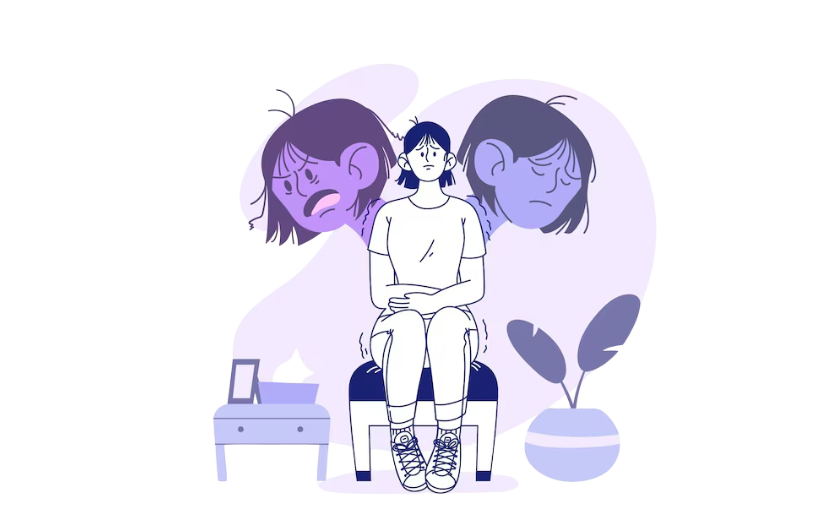
Generalised Anxiety Disorder (GAD): Persistent and excessive worry about everyday life, often without a clear reason or trigger.
Panic Disorder: Sudden or recurring panic attacks that cause intense fear along with physical symptoms like chest discomfort or breathlessness.
Social Anxiety Disorder: An intense fear of being judged or embarrassed in social situations, often leading to avoidance of interactions.
Specific Phobias: An extreme fear of specific objects or situations, even when they pose little or no real danger.
Agoraphobia: Fear of being in places where escape may feel difficult, often leading to avoidance of crowded or open spaces.
Separation Anxiety Disorder: Intense fear or distress when separated from loved ones or familiar surroundings.
Seeking professional help early can make a significant difference. You should consult an anxiety doctor if you notice:
Early consultation helps achieve better outcomes and prevents the condition from worsening. Our programs offer structured support to stabilize patients effectively.
An anxiety doctor in Chennai assesses both the psychological and physical aspects of anxiety disorders. They provide accurate evaluations, personalised treatment plans, and continuous monitoring throughout your recovery.
From generalised anxiety and panic disorder to social anxiety and phobias, our specialists combine clinical expertise with genuine compassion to help every patient achieve lasting recovery.
At our anxiety clinic in Chennai, we follow a holistic, evidence-based approach to care:
This approach ensures lasting emotional stability and a genuinely improved quality of life.
Therapy for anxiety is at the heart of how people recover. Our programmes, led by experienced therapists, help patients:
Patients learn to manage symptoms effectively, regain confidence, and move forward with their lives.
For moderate to severe anxiety, medication plays an important role. Our doctors carefully prescribe and monitor anti-anxiety medications, ensuring safe and effective recovery. Combined with therapy and lifestyle guidance, this approach provides comprehensive support for lasting wellness.
Our team delivers compassionate care with clinical excellence. From flexible consultations to therapy and long-term rehabilitation, we help individuals heal, recover, and regain control over their mental health.
At Athma Mind Care Hospital, recovery begins with understanding and empathy, helping every individual move toward wellness with confidence.
Connect with our anxiety therapist in Chennai and our experienced doctors today and take the first step toward a calmer, healthier life.
Ready to take the next step in your mental health journey? Scheduling an appointment with us is easy!
If you are in crisis or need immediate support, our 24/7 emergency counseling service is here for you. Our trained professionals are available around the clock to provide assistance, guidance, and support during difficult times.