Total Visitors
Total Visitors
The Ultimate Guide to Postpartum Depression – Chennai Counselling-main

The Ultimate Guide to Postpartum Depression Counselling – Chennai

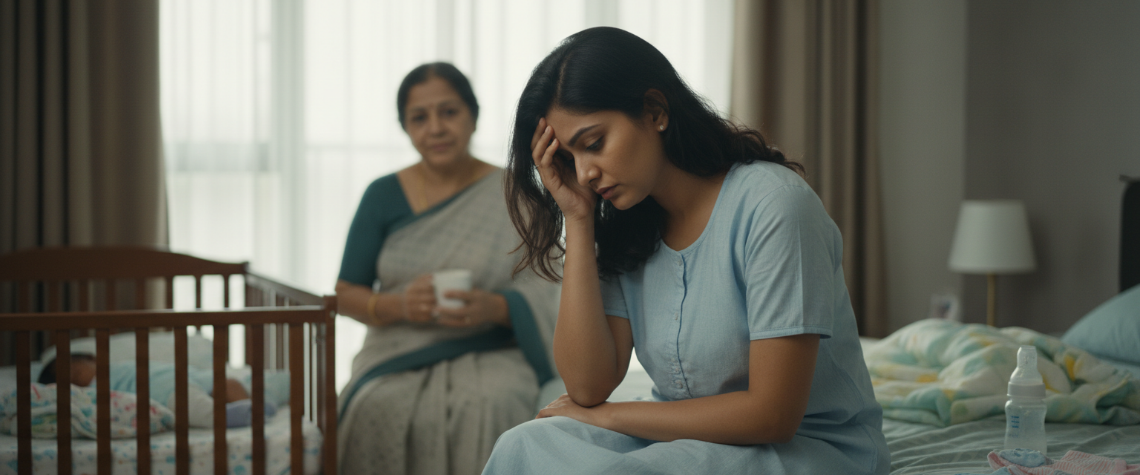
Having a baby can bring happiness, but it can also come with exhaustion, worry and emotional changes that are difficult to explain. Postpartum depression is more than feeling tired or having a difficult day. It can affect how a mother feels, thinks and connects with everyday life, making the right support important.

What Is Postpartum Depression?

It is a type of depression that can develop after childbirth and affect a mother's emotions, thoughts, energy, sleep and daily activities. It can happen even when the baby is healthy and the mother has a supportive family. Experiencing it does not mean someone is a bad mother.

The transition into motherhood can be demanding. Physical recovery, sleepless nights, changing responsibilities and the pressure to manage everything can become overwhelming. For some mothers, these challenges can contribute to depression that needs professional attention.

What Are The Signs Of Postpartum Depression?

Recognising postpartum depression symptoms can help a mother or her family understand when emotional changes may need more than reassurance or rest. Symptoms can look different from one person to another and may gradually become more noticeable.

Some common signs include:

  • Feeling sad, empty or emotionally drained most of the time
  • Crying more often than usual
  • Losing interest in things that once felt enjoyable
  • Feeling unusually irritable, anxious or overwhelmed
  • Struggling to sleep even when there is an opportunity to rest
  • Feeling exhausted or lacking motivation
  • Experiencing guilt or feeling like an inadequate mother
  • Finding it difficult to concentrate or make simple decisions
  • Feeling distant from the baby or finding bonding difficult

Not every difficult emotion after childbirth means depression. What matters is how persistent the changes are and how much they begin to affect everyday life.

Can Postpartum Depression and Anxiety Happen Together?

Postpartum depression and anxiety can occur at the same time. A mother may feel constantly worried about her baby, fear that something will go wrong or find it difficult to switch off anxious thoughts. These worries can exist alongside sadness, exhaustion, guilt or emotional withdrawal.

When these feelings become difficult to manage, talking to a mental health professional can provide a safe place to understand what is happening without feeling judged.

Why Does Postpartum Depression Happen?

There is rarely one simple reason behind postpartum depression. The period after childbirth brings many changes at once, including physical recovery, hormonal changes, interrupted sleep and new responsibilities.

A mother may also be dealing with a difficult delivery, limited support, relationship concerns, financial pressure or the emotional adjustment of caring for a newborn. Previous experiences with depression or anxiety may also be relevant.

None of these experiences mean that a mother has done something wrong. Mental health difficulties can happen even when someone is trying their best.

Need support for postpartum depression?

Talk to our mental health professionals in a safe, non-judgemental space

WhatsApp us

Where to Find the Right Support for Postpartum?

Postpartum depression treatment depends on the person's symptoms and individual circumstances. Counselling or psychological therapy may help a mother understand difficult emotions, develop healthier ways of coping and gradually regain confidence in everyday life.

For some people, medication may also be considered by a qualified doctor. Treatment decisions, particularly during breastfeeding, should be discussed with a healthcare professional rather than made independently.

The first step is often simply having an honest conversation about what has been happening.

What Is The Treatment For Postpartum Depression?

Learning how to deal with postpartum depression does not mean expecting yourself to feel better immediately. Recovery can take time, and having support around you can make the process less overwhelming.

A mother may find it helpful to:

  • Tell someone trusted how she has really been feeling
  • Accept help with childcare and household responsibilities
  • Make time for regular meals and rest where possible
  • Stay connected with people who make her feel supported
  • Attend counselling or therapy as recommended
  • Follow professional advice and treatment plans
  • Avoid blaming herself for emotions she cannot simply switch off

Sometimes, asking for help is one of the most important steps towards feeling like yourself again.

When Should You Seek Professional Help For Postpartum Depression?

Feeling emotionally overwhelmed after childbirth should not always be brushed aside as part of being a new mother. If sadness, anxiety, guilt, withdrawal or exhaustion continues and begins affecting relationships, self-care or everyday responsibilities, professional support can be helpful.

If a mother has thoughts of harming herself or her baby or feels unable to remain safe, immediate professional or emergency assistance is important.

Postpartum Mental Health Support in Chennai

No mother should feel that she has to handle everything alone. If emotional difficulties after childbirth are affecting daily life, speaking with a mental health professional can provide a safe and supportive way to understand what is happening.

At Athma Mind Care Hospital, individuals and families can seek professional mental health support in a non-judgemental setting, with care based on individual needs. For support or assistance, you can contact our mental health helpline at +917901901901.

Frequently Asked Questions

How is postpartum depression different from the baby blues?+
The baby blues are common emotional changes that usually settle within a short period. Postpartum depression tends to be more persistent and can interfere with everyday functioning, relationships and emotional wellbeing.
Can postpartum depression affect the relationship with the baby?+
It can. Some mothers may feel disconnected from their baby or find bonding more difficult. This does not mean they do not love their child. Depression can affect emotional connection, and appropriate support can help.
Can a mother experience anxiety after childbirth without depression?+
Yes. Anxiety can occur on its own or alongside depression. Persistent worry, fear, restlessness and difficulty relaxing can be signs that professional support may be useful.
Can postpartum depression be treated?+
Yes. Depending on the person's needs, treatment may involve counselling, therapy, practical support or medication recommended by a qualified healthcare professional.
How can family members support a mother?+
Listening without judgement can be a good starting point. Family members can also help with childcare, household responsibilities, appointments and daily routines instead of expecting the mother to manage everything herself.
When should professional support be considered?+
Support can be considered when emotional difficulties persist, become harder to manage or start affecting daily life. Immediate help is important when there are concerns about the safety of the mother or baby.
Postpartum depression counselling support
Asking for help after childbirth is not a sign of weakness — it is one of the strongest things a mother can do for herself and her baby.
— Athma Mind Care Hospital

Begin Your Journey to Recovery Today

Compassionate, confidential support for postpartum depression. Book a consultation.

[ameliastepbooking]